Skylights or Traditional Windows: Which Is the Better Choice for Your Home?
The selection between skylights and standard windows presents homeowners with unique advantages and challenges. Skylights can greatly increase natural light, creating an airy atmosphere, yet they may demand more care and energy regulation. On the other hand, traditional windows provide a variety of styles and superior insulation. Both choices have their advantages, making it necessary to assess several key elements. What factors drive the final choice? Reviewing the essential benefits and aspects can bring understanding.
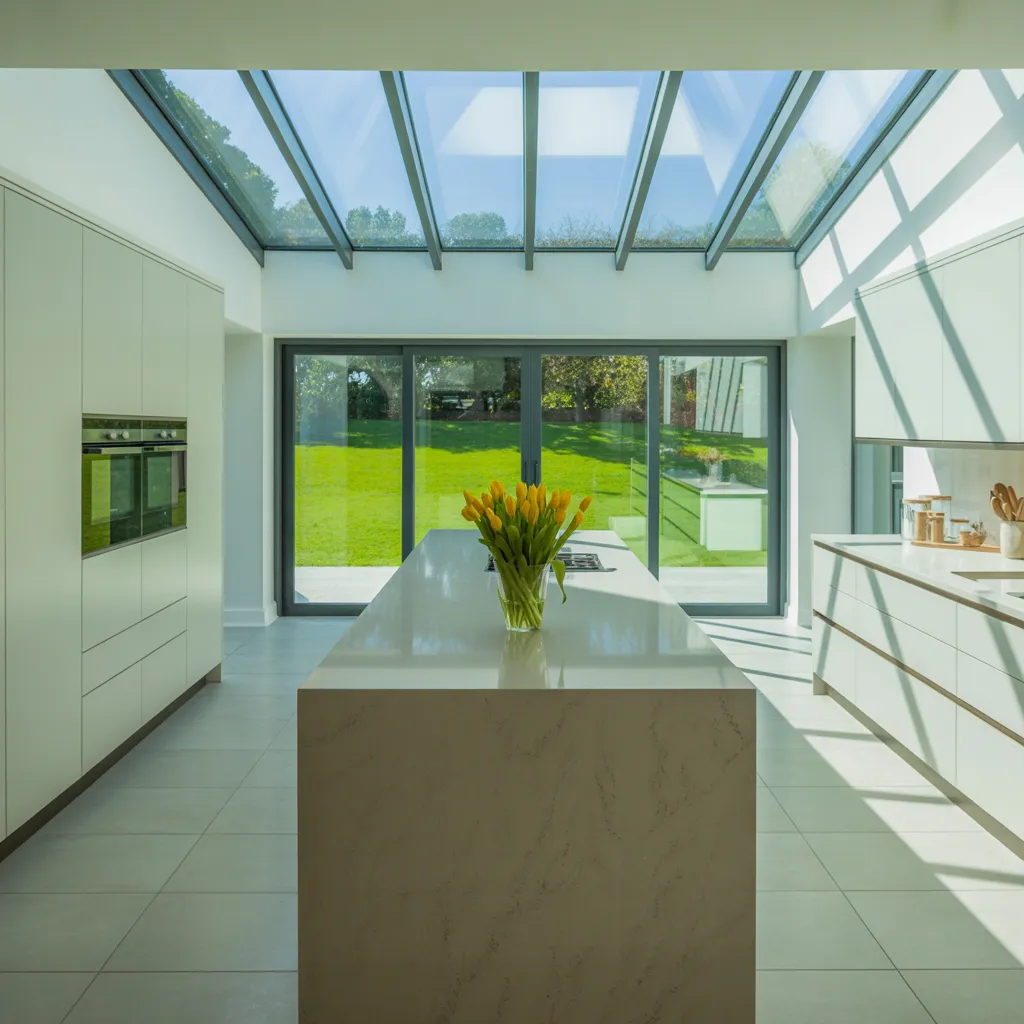
Skylights: Top Benefits for Natural Light
Whereas standard windows supply natural light, skylights provide distinct benefits that improve indoor environments. These architectural features allow sunlight to penetrate from above, brightening spaces that would otherwise stay dark. Through optimizing natural illumination, skylights create a sense of openness and connection to the outdoors. This abundance of natural light can also boost mood and overall wellness, rendering areas more welcoming and comfortable.
What's more, skylights can reduce the need for artificial lighting, leading to lower energy consumption. They are able to spread light uniformly throughout a room, reducing harsh shadows and establishing a more pleasant ambiance. Many skylights also feature ventilation options, enabling fresh air to flow freely, which may improve indoor air quality. Moreover, their location can offer breathtaking views of the sky, bringing a touch of nature indoors. In summary, skylights serve as a highly effective tool in transforming spaces, rendering them more vibrant and inviting.
Classic Windows: Natural Light and Ventilation
Traditional windows play an essential role in improving natural light and airflow inside a home. They are carefully positioned to harness sunlight throughout different hours of the day, lighting up indoor spaces and decreasing the dependence on artificial light sources. The style and dimensions of windows can significantly affect the volume of light that enters a room, since bigger windows commonly enable more natural light to filter through.
Beyond illuminating spaces, traditional windows facilitate airflow, promoting ventilation. Opening windows creates cross-ventilation, aiding in the control of indoor temperatures and the improvement of air quality. This organic air circulation can decrease dependence on mechanical cooling systems, making homes more comfortable and potentially lowering energy costs.
Multiple designs, including double-hung, casement, and others, deliver unique advantages in terms of airflow and aesthetics. Through selecting the appropriate style and location for traditional windows, homeowners can improve both light and ventilation, leading to a more inviting and healthier living space.
Skylights or Windows: Which Is More Energy Efficient?
The ongoing debate about the energy efficiency of skylights compared to traditional windows encompasses a number of important considerations. The advantages of natural light are instrumental in reducing reliance on artificial lighting, while heat retention and insulation properties affect general energy expenditure. A comprehensive evaluation of energy expenses can assist in determining which choice provides more substantial long-term savings.
Benefits of Natural Light
Maximizing sunlight in a home can greatly enhance both ambiance and energy savings. Both skylights and conventional windows each provide special qualities in this regard. Roof-mounted skylights can collect overhead sunlight, brightening spaces that may be difficult to reach with conventional windows. This can result in a more spacious and bright feel, reducing the need for electric lighting during the day. In contrast, conventional windows provide flexible solutions for ventilation and light management, enabling homeowners to modify their surroundings according to their requirements. Both features, when properly utilized, can contribute to a similar article more luminous and welcoming home while possibly reducing utility expenses. Ultimately, the selection between skylights and windows should account for particular light preferences and structural considerations.
Insulation and Heat Retention
When examining insulation and heat retention, skylights and traditional windows each present unique energy efficiency features. Skylights are commonly manufactured with several layers of glass and specially designed coatings, which may boost thermal insulation. However, their installation angle and potential for heat loss through the roof can contribute to higher energy demands, notably in colder regions. In contrast, conventional windows can deliver effective insulation when fitted with double or triple glazing. They are generally mounted vertically, which may lower heat loss in comparison to skylights. The surrounding framing and building materials also greatly impact overall energy efficiency. Ultimately, the choice between skylights and traditional windows for ideal insulation and heat retention depends on factors such as climate, installation quality, and specific design considerations.
Energy Pricing Comparison
While both skylights and traditional windows serve to enhance natural light, their impact on energy costs varies greatly. Skylights may contribute to greater heat buildup during hotter months, which can result in elevated cooling expenses without adequate shading or glazing. Conversely, traditional windows, especially those with energy-efficient ratings, can offer better insulation, reducing heating and cooling expenses. The orientation and placement of both skylights and windows also play critical roles in energy efficiency. Correct installation methods and careful material selection additionally affect energy efficiency. Property owners ought to weigh these elements carefully when assessing their choices, because the extended energy costs connected to each choice can have a considerable effect on household efficiency and comfort. In the end, well-informed choices can result in meaningful financial savings over the long term.
Maintenance Factors for Skylights and Windows
Even though skylights and conventional windows each boost a home's natural light, their upkeep needs vary considerably. Traditional windows generally need regular cleaning to preserve their clarity and stop the accumulation of dirt and debris. Homeowners must also inspect seals and frames periodically for any signs of wear or damage, particularly in aging windows that can be susceptible to leaks.
By comparison, skylights necessitate a higher level of dedicated maintenance. Their elevated position can render cleaning more difficult, and debris can collect on their surfaces. Furthermore, skylights are at greater risk of water leaks if not installed with precision. Regular assessment of flashing and seals is vital to guarantee continued performance. Homeowners should also consider the material of the skylight, as some may need specific maintenance routines to minimize degradation. Therefore, recognizing the distinct maintenance needs of each option is crucial for long-term satisfaction.
Visual Charm: Transforming Spaces With Natural Light
Natural light acts as a powerful element in interior design, significantly improving the aesthetic appeal of a space. Both skylights and traditional windows contribute to this effect, but they do so in distinct ways. Skylights, mounted on the roof, flood interiors with light from above, producing a feeling of openness and depth. This upward illumination can accentuate architectural features and make spaces feel more expansive and inviting.
By comparison, standard windows provide defined views of the outside world, connecting inside areas to the natural world and seasonal changes. The positioning of windows enables purposeful light regulation, improving targeted sections of a space. The choice between these two options typically relies on the intended mood; skylights foster a light, open atmosphere, while windows deliver an even combination of illumination and scenery. At the end of the day, incorporating natural light, be it through skylights or windows, can profoundly influence the complete atmosphere and visual character of a residence.
Choosing Between Skylights and Windows: Key Factors to Evaluate?
When thinking about the integration of natural light into a home, the choice between skylights and traditional windows involves several key factors. Initially, the architectural design of the home is an important consideration; skylights can complement modern designs, while traditional windows tend to suit classic aesthetics. Furthermore, the location and orientation of the space must be considered. Skylights effectively gather sunlight from above, making them perfect for darker rooms, while windows deliver views and ventilation from the sides.
Additionally, energy efficiency is an important factor. Skylights have the potential to cause heat loss or gain, influencing utility bills, while windows may offer better insulation options. Additionally, maintenance needs are distinct; skylights can be harder to clean and may require professional installation. In addition, financial factors are critical, as skylights typically involve higher initial costs. Evaluating these considerations enables homeowners to reach well-informed conclusions suited to their unique needs and preferences.

Common Questions and Answers
Can Skylights Be Opened for Ventilation Like Traditional Windows?
Indeed, a number of skylights can be opened for ventilation, just like traditional windows. These openable skylights let fresh air to move freely, improving indoor comfort and optimizing air quality, rendering them a flexible option for homeowners.
How Do Skylights Affect Indoor Temperature During Summer?
Skylights can significantly raise indoor temperatures during summer, allowing sunlight to penetrate and warm spaces. In the absence of adequate ventilation or shading solutions, the excess warmth can cause considerable discomfort, requiring supplementary cooling solutions to preserve a pleasant living space.
Do Skylights Tend to Leak or Cause Water Damage?
Skylights can be prone to leaks and water damage if improperly installed or maintained. Consistent inspections and premium materials are vital for reducing risks and extending their lifespan, thereby protecting the surrounding structures from potential moisture issues.
How Long Does a Typical Skylight Last?
The average skylight has an expected lifespan of 15 to 30 years, based on the materials used and the quality of installation. Performing regular maintenance can increase its overall durability, as environmental elements can impact how well it performs over time.
What Are the Differences in Installation Costs Between Skylights and Windows?
The cost of installing skylights tends to be higher than that of standard windows due to additional structural modifications required. Yet, ongoing energy efficiency gains and increased natural illumination may balance out these initial expenditures, making them a worthwhile investment for some homeowners.